Laser Nail Fungus Treatment in Beverly Hills
GentleMax Pro Plus Treatment for Fungal Nail Concerns
A Non-Invasive Laser Approach to Nail Fungus
Nail fungus, also known as onychomycosis, can cause nails to become thickened, discolored, brittle, distorted, or difficult to maintain.
At LA RIUSH, we use the Candela GentleMax Pro Plus as a laser-based treatment option for fungal nail concerns. The treatment delivers controlled laser energy through the nail plate to the affected area, helping create an environment that is less favorable for fungal growth while allowing healthy nail growth to gradually replace the damaged portion.
Because nails grow slowly, improvement is gradual and may require a series of treatments.
Book Nail Fungus Treatment
Nail Fungus | Single Area | 1 session
Nail Fungus | Multiple Nails | 1 session
Benefits
- Non-invasive treatment
- No incisions or injections
- Targets affected nail areas precisely
- Suitable for individual or multiple nails
- Helps support clearer-looking nail growth
- Minimal interruption to normal daily activities
- Can be incorporated into a broader nail-care plan
- No recovery period for most clients
Advanced Technology: Candela GentleMax Pro Plus
At LA RIUSH, nail fungus treatments are performed using the Candela GentleMax Pro Plus, a versatile medical-grade laser platform.
Candela includes onychomycosis among the applications of the GentleMax Pro Plus system.
The laser delivers controlled energy through the nail toward the affected tissue while treatment settings are selected according to the nail and individual presentation.
How Does Laser Nail Fungus Treatment Work?
Laser energy passes through the nail plate and delivers controlled heat to the affected area.
The goal is to target the fungal environment beneath and within the nail while preserving surrounding tissue as much as possible.
Treatment does not instantly replace the damaged nail. Instead, visible improvement depends on new healthy nail growth gradually replacing the affected portion.
This is why results develop over months rather than days.
Areas We Treat
Toenails
Toenails are the most common area affected by onychomycosis.
Big Toenails
The larger toenails are frequently affected and may require repeated treatment because of their size and slow growth rate.
Multiple Toenails
Several affected nails can be addressed during the same treatment session.
Fingernails
Where appropriate, fungal concerns affecting fingernails may also be assessed for laser treatment.
Why We Use GentleMax Pro Plus
Precision
Targets the affected nail and surrounding treatment area with controlled laser energy.
Non-Invasive Treatment
No cutting, injections, or surgical recovery are required.
Personalized Settings
Treatment can be adjusted according to the number of nails involved and the characteristics of the affected area.
Efficient Sessions
Multiple nails may be treated during the same appointment where appropriate.
What to Expect
Before Treatment
Your provider will assess the affected nail or nails and discuss your treatment history.
Before your appointment:
- Remove nail polish or cosmetic coatings
- Clean the nails thoroughly
- Trim nails if instructed
- Tell your provider about medications and medical conditions
- Mention any previous antifungal treatments
- Bring attention to pain, swelling, drainage, or skin changes around the nail
During Treatment
The nail is cleaned and prepared.
Laser energy is delivered across the nail and affected area using settings selected for the treatment.
You may feel warmth during the procedure.
Treatment time depends on how many nails are being treated.
After Treatment
Most clients can return to normal activities immediately.
You may be advised to:
- Keep feet and nails clean and dry
- Change socks regularly
- Avoid sharing nail tools
- Disinfect footwear where appropriate
- Follow your provider’s nail-care instructions
- Avoid cosmetic nail products if instructed
Results & Treatment Timeline
When Will I See Results?
Nails grow slowly, so visible improvement takes time.
The laser treatment itself is only one part of the process. The treated nail must gradually grow out and be replaced by clearer, healthier-looking nail.
Results depend on:
- Severity of the fungal involvement
- Number of nails affected
- Nail thickness
- Nail growth rate
- General foot and nail care
- Individual response
Multiple treatments may be recommended.
For toenails especially, visible improvement may continue over several months as the nail grows forward.
Ideal Candidates
Who Is This Treatment For?
Laser nail fungus treatment may be suitable for clients who:
- Have persistent fungal nail concerns
- Have thickened or discolored nails
- Want a non-invasive treatment option
- Have one or multiple affected nails
- Want to improve the appearance of damaged nails
- Prefer a treatment that does not require downtime
A consultation helps determine whether the nail appearance is consistent with a concern suitable for treatment.
Frequently Asked Questions
What is nail fungus?
Nail fungus, also called onychomycosis, is a fungal infection that affects the nail plate and surrounding nail structures. It most commonly affects toenails, but fingernails can also be involved.
What are the signs of nail fungus?
Common signs include yellow, white, or brown discoloration, thickening, brittle or crumbly nail edges, distorted nail shape, debris beneath the nail, and slow or unhealthy-looking nail growth.
How does laser nail fungus treatment work?
GentleMax Pro Plus delivers controlled laser energy through the nail toward the affected area. The goal is to target the fungal environment while allowing clearer, healthier-looking nail to grow forward over time.
Will my nail look normal immediately after treatment?
No. Existing damaged nail does not disappear immediately. Improvement becomes visible gradually as new nail growth replaces the affected portion of the nail.
How many laser treatments will I need?
The number of sessions varies depending on the severity of the nail changes, how many nails are affected, nail thickness, growth rate, and individual response. A series of treatments may be recommended.
How long does it take to see results?
Nails grow slowly, especially toenails, so visible improvement can take several months. Progress is seen as clearer new nail gradually grows from the base and replaces the affected nail.
Does laser nail fungus treatment hurt?
Most clients feel warmth during treatment. Sensation varies depending on the nail, treatment area, and laser settings, but the procedure is non-invasive and does not require incisions or injections.
Is there downtime after treatment?
There is usually little to no downtime. Most clients can return to normal daily activities immediately after their appointment while following the nail-care instructions provided.
Can you treat multiple nails in one session?
Yes. Multiple affected nails may be treated during the same appointment when appropriate. Treatment time depends on the number and size of the nails being treated.
Can fingernail fungus be treated too?
Yes, fingernails may also be assessed for laser treatment where appropriate. Toenails are more commonly affected by onychomycosis, but treatment planning is based on the individual nail concern.
Should I remove nail polish before my appointment?
Yes. Nail polish, gel, acrylic, or other cosmetic nail coatings should generally be removed before laser treatment so the nail can be properly assessed and treated. Follow any specific preparation instructions provided by LA RIUSH.
Can nail fungus come back after treatment?
Yes. Reinfection or recurrence is possible, particularly when nails are repeatedly exposed to warm, damp environments or contaminated footwear and nail tools. Good foot and nail hygiene remains important after treatment.
What can I do to help prevent reinfection?
Keep feet clean and dry, change socks regularly, avoid sharing nail tools, disinfect footwear where appropriate, wear suitable footwear in communal wet areas, and follow the aftercare instructions provided for your treatment plan.
Is every thick or discolored nail caused by fungus?
No. Nail trauma, inflammatory conditions, and other nail disorders can resemble fungal infection. The affected nail should be assessed before treatment to determine whether laser treatment is an appropriate option.

Noor Rahman
I was nervous since it was my first time getting any kind of treatment, but they made it feel normal from the moment I walked in. We chatted about work, skincare, random things—you forget you’re even in a treatment room. And the results? Love them.

Emily Vargas
I wasn’t expecting to enjoy the experience as much as I did. The team at LA RIUSH treated me like someone they genuinely wanted to help, not just another booking. We laughed, talked about weekend plans, and they explained everything like a friend would—clear, simple, no pressure. My skin looks fresher, but more importantly, I actually feel better walking out of there.

Michael Torres
I spend most of my day on video calls, looking tired even when I’m not. After my sessions at LA RIUSH, people started asking if I changed my routine. I really like that nothing looks fake—it just looks like I take better care of myself now.

Daniel Price
What I liked most was how relaxed it all felt. No pressure, no awkward silence, no overexplaining. Just an easy, friendly experience with subtle results that actually make a difference.

Olivia Carter
When you run a business, you forget to take care of yourself. LA RIUSH reminded me that a little self-care goes a long way. My results are noticeable in a ‘Hey, you look really good today’ kind of way—not a dramatic one.

Chloe Stratton
Between bright clinic lights and masks rubbing on my face all day, my skin needed help. LA RIUSH completely turned things around. My redness is down, and I look more even-toned. They’re so warm and easygoing—it never feels clinical.
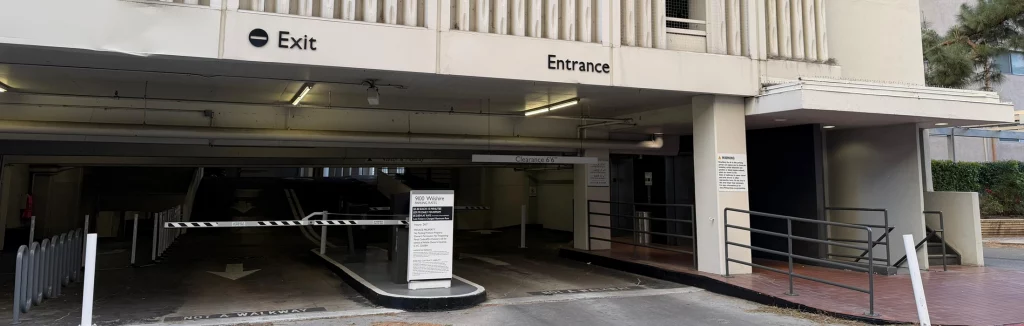
Enjoy validated parking for your convenience.